Nutrients feed algae
Nitrate and phosphate arriving in slow, warm water feed algal blooms. The bloom spreads across the surface, and as it dies and decomposes it strips the oxygen out of the water beneath.
A nationwide effort to bring Britain’s farmland soils back to life, so the land holds the rain, the nutrients and the soil itself, instead of losing them to our rivers. Healthier ground, cleaner water, and a countryside that keeps working.
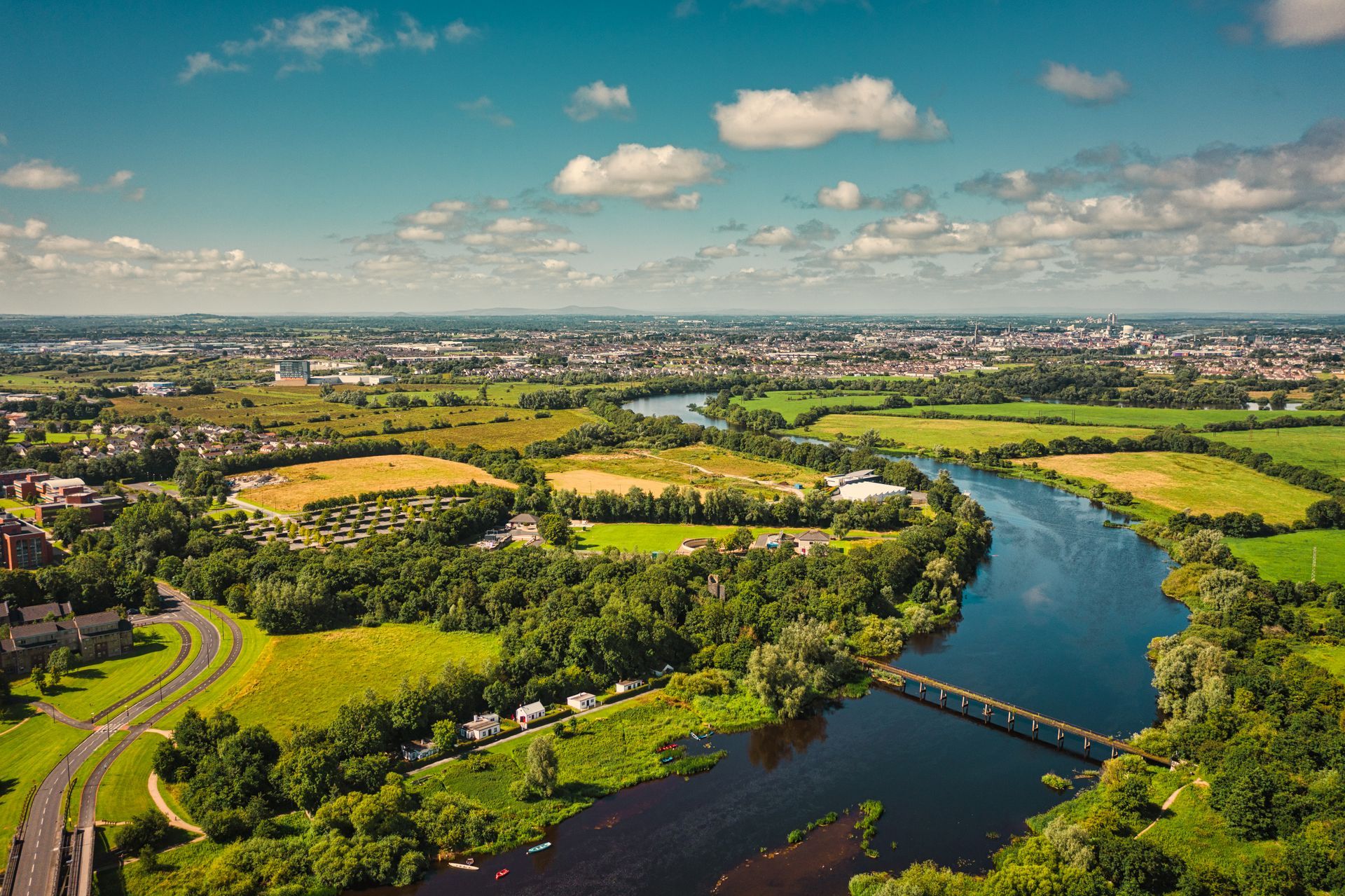
When soil is tired and bare, rain runs straight off it, carrying nutrients and sediment into the nearest watercourse. Over time that is one of the biggest pressures on the health of England’s rivers.
Sources: Environment Agency, Defra and The Rivers Trust. A treatment works can only clean what reaches the pipe. The run-off from the land is the pressure it cannot solve.
In August 2026 the Environment Agency published its first full assessment of England’s waters in six years. It named phosphate, which comes from sewage and from farm run-off, as the single biggest problem of all. Nutrients washed off farmland do not simply pass through: they change the water, and everything living in it, all the way down to the sea.
Nitrate and phosphate arriving in slow, warm water feed algal blooms. The bloom spreads across the surface, and as it dies and decomposes it strips the oxygen out of the water beneath.
Fish, invertebrates and the insects they depend on cannot live in deoxygenated water. A river can look full and still be close to empty.
Soil washed off a bare field settles on the riverbed and clogs the clean gravel that trout and salmon spawn in, and that river insects live among.
Water abstracted downstream must be treated before it reaches a tap. Removing nitrate is expensive, it has to be built, and it has to be paid for again every year the load keeps arriving.
Source: Environment Agency assessment of England’s rivers, lakes and coastal waters, published August 2026, the first comprehensive assessment in six years, together with recorded reasons for not achieving good status across all 94 English management catchments. Agriculture accounts for around 60 per cent of the nitrogen and 28 per cent of the phosphorus reaching England’s water bodies.
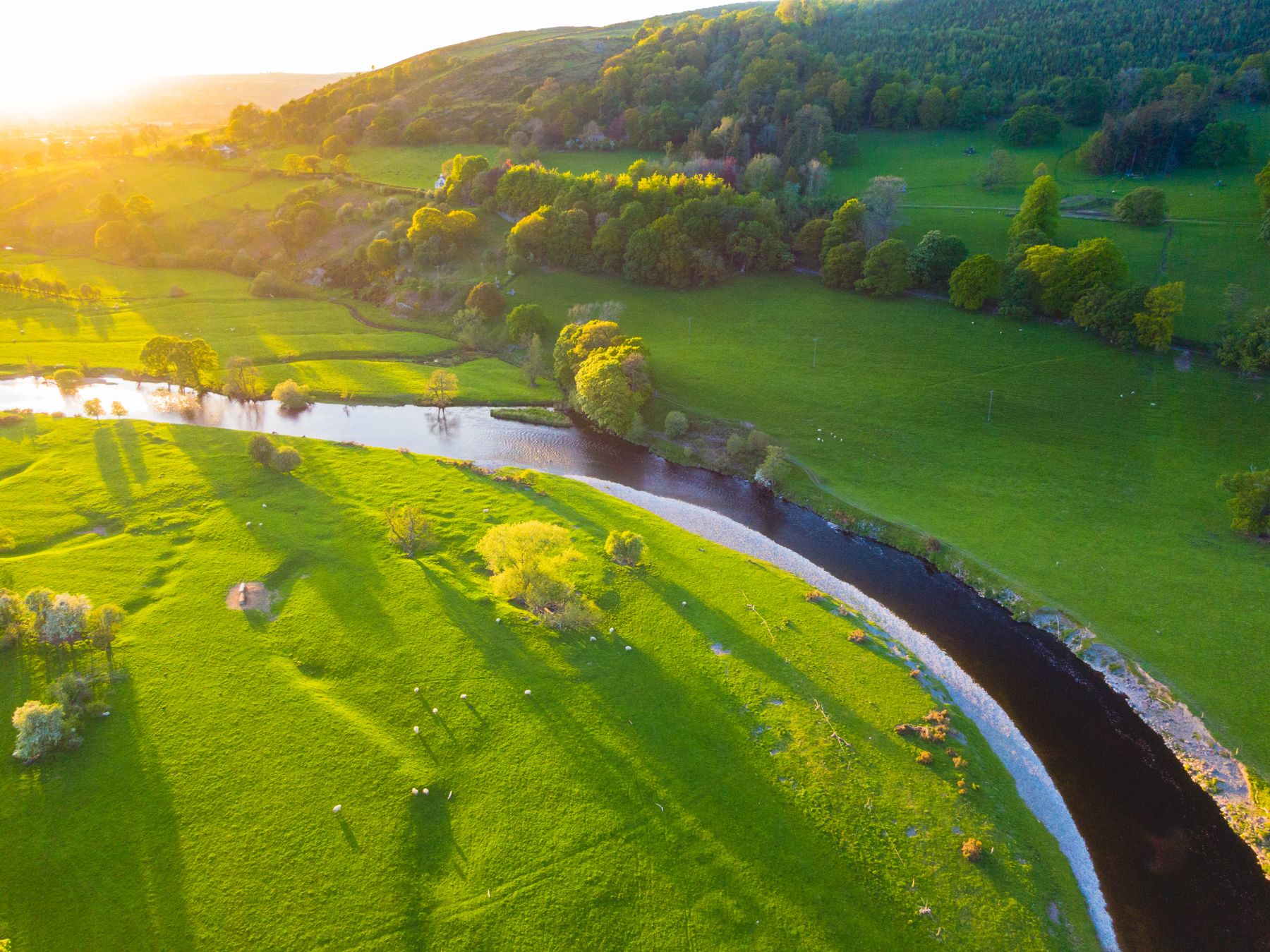
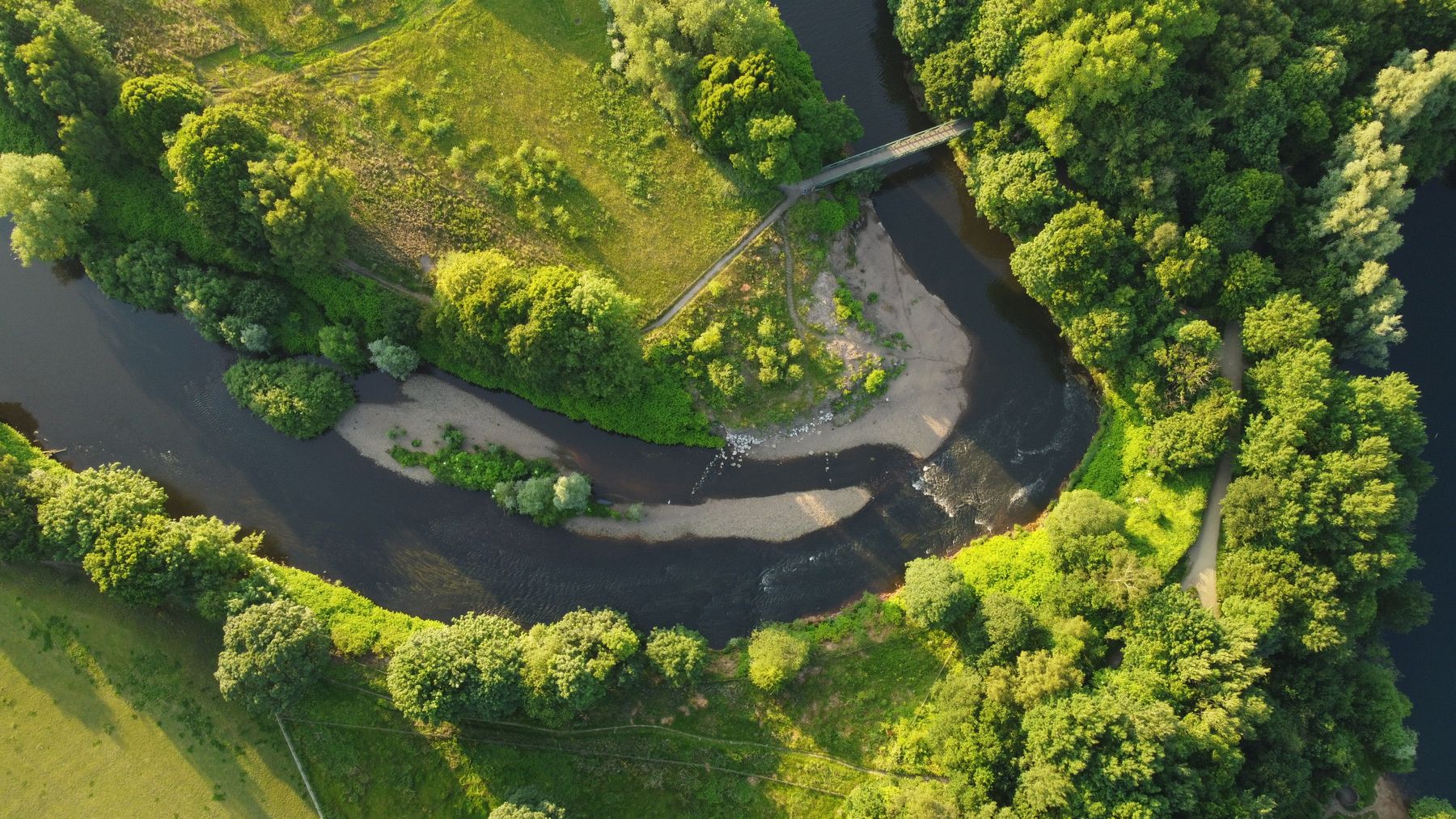
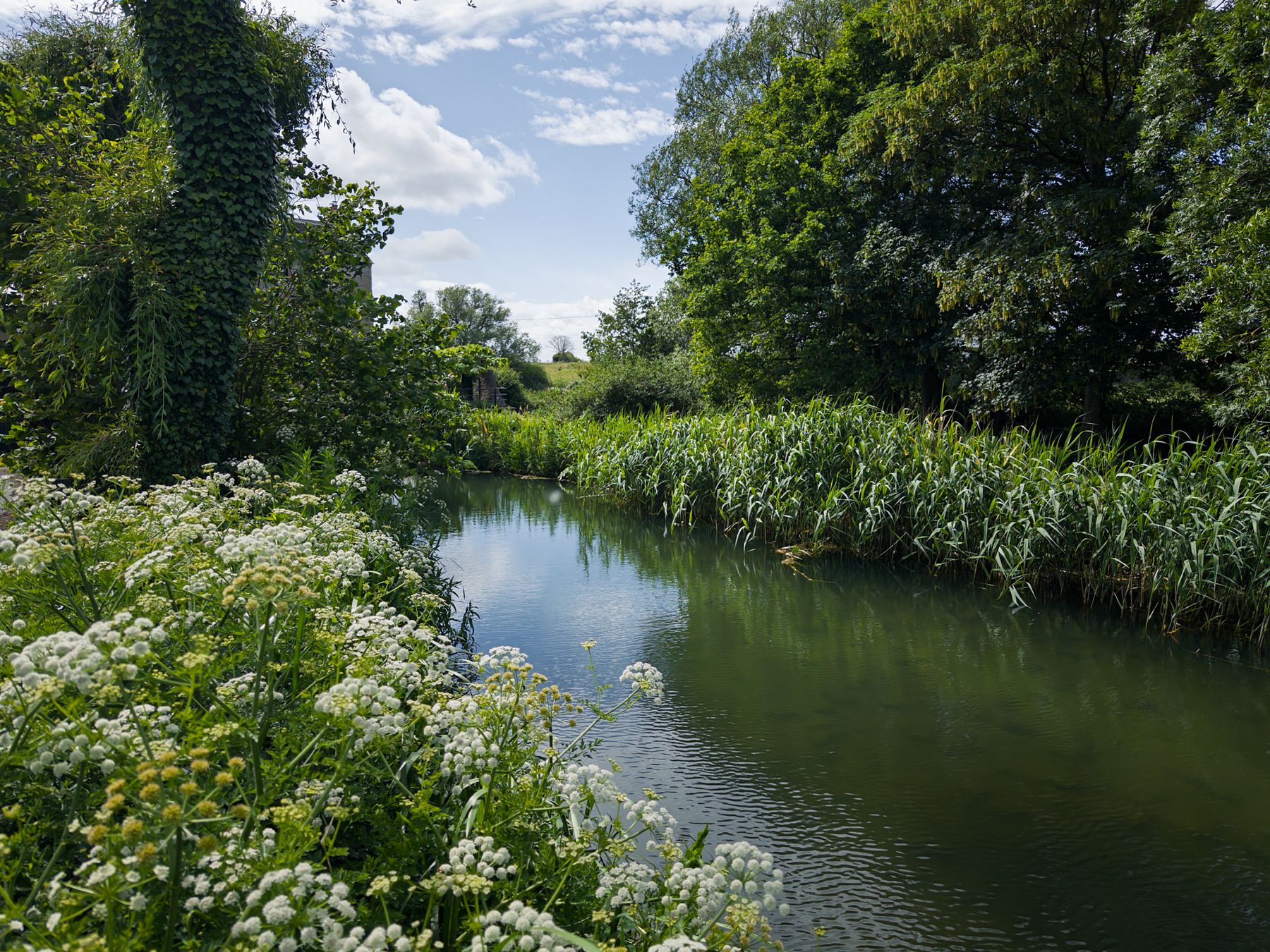
Two fields side by side, the same rain on both, one river along the foot. Follow it down the page, one stage at a time.
Both fields grow the same crop and get the same weather. We are going to change only one of them, so you can see what the change does.
Plants take their nutrients out of the soil. When it rains on tired ground, those nutrients are carried straight down and out into the river.
Tiny living things, far too small to see. One handful holds 28,000 different kinds, and once they are in the ground they stay there and multiply.
The air above us is mostly nitrogen, and plants need nitrogen to grow. These ones take it straight out of the air and put it into the soil, for nothing.
They live on the roots and trade with the plant. In return they unlock nutrients that were already in the soil, but locked up where roots could not reach them.
They turn old leaves and roots into humus, which is dark and sticky. The humus binds on to the clay in the soil, and together they build crumbs. Soil scientists call it the clay humus complex.
A crumb soaks up rain like a sponge, holds the nutrients like a cupboard, and keeps the soil springy so roots and air can get down.
The field on the left is still losing its nutrients to the water. The living one is keeping them. That is what we do, field by field.
Using natural soil biology, the initiative helps farmland grow deeper roots and richer structure. Living soil behaves like a sponge: it soaks rainfall in and holds nutrients where the crop can use them, rather than letting them wash away.
It is done field by field and catchment by catchment, with a purpose-built water model that finds the ground most at risk and measures the change year on year. The land stays in full production the whole time, and the approach scales to the whole country.
Natural biology wakes the soil up, building humus and a living underground community.
Better structure lets roots drive down further, opening the ground and reaching more of the soil.
Living soil soaks up rainfall and holds it, instead of shedding it off the surface.
Nutrients and soil stay in the field where they belong, so far less reaches the river.
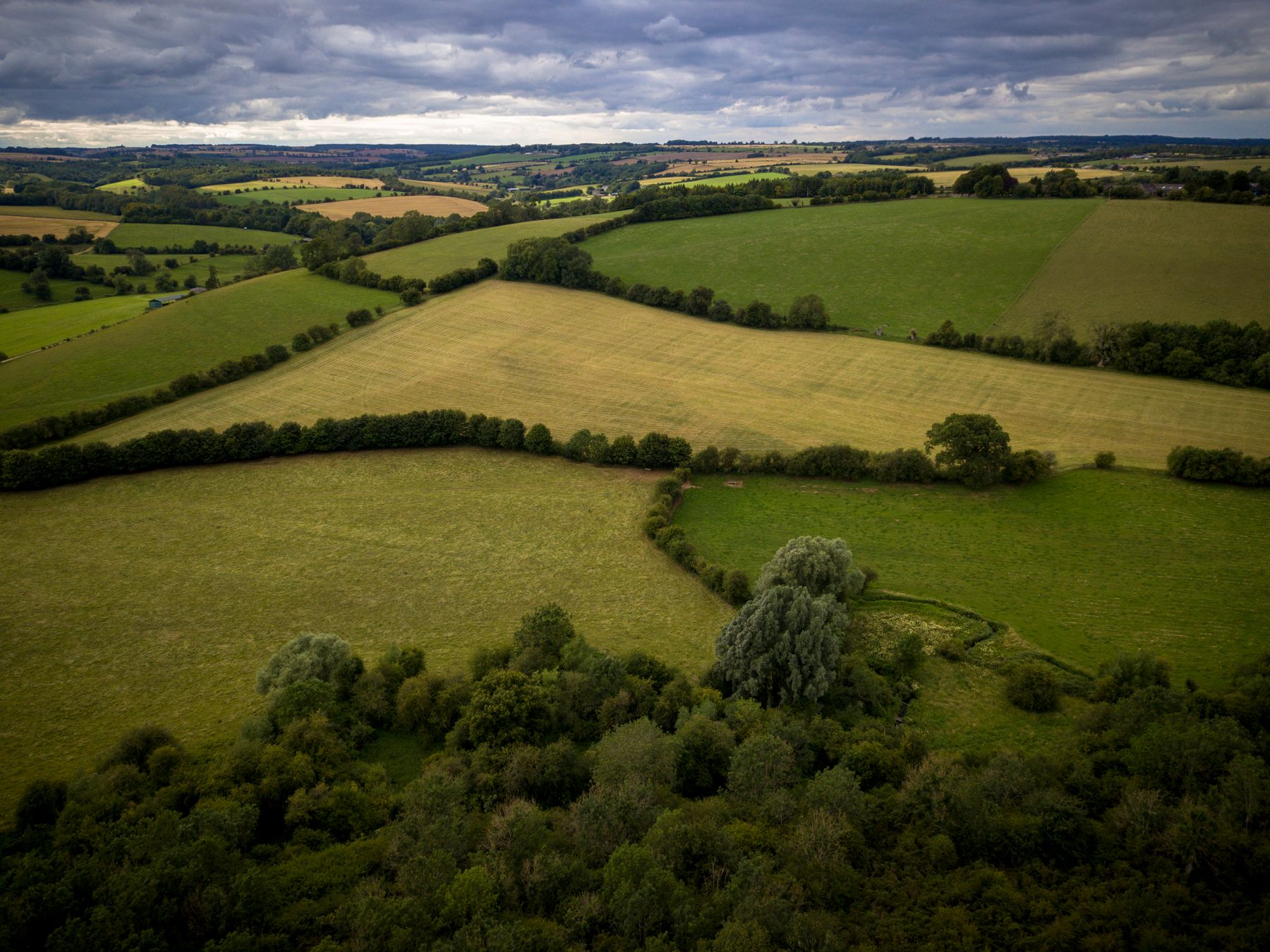
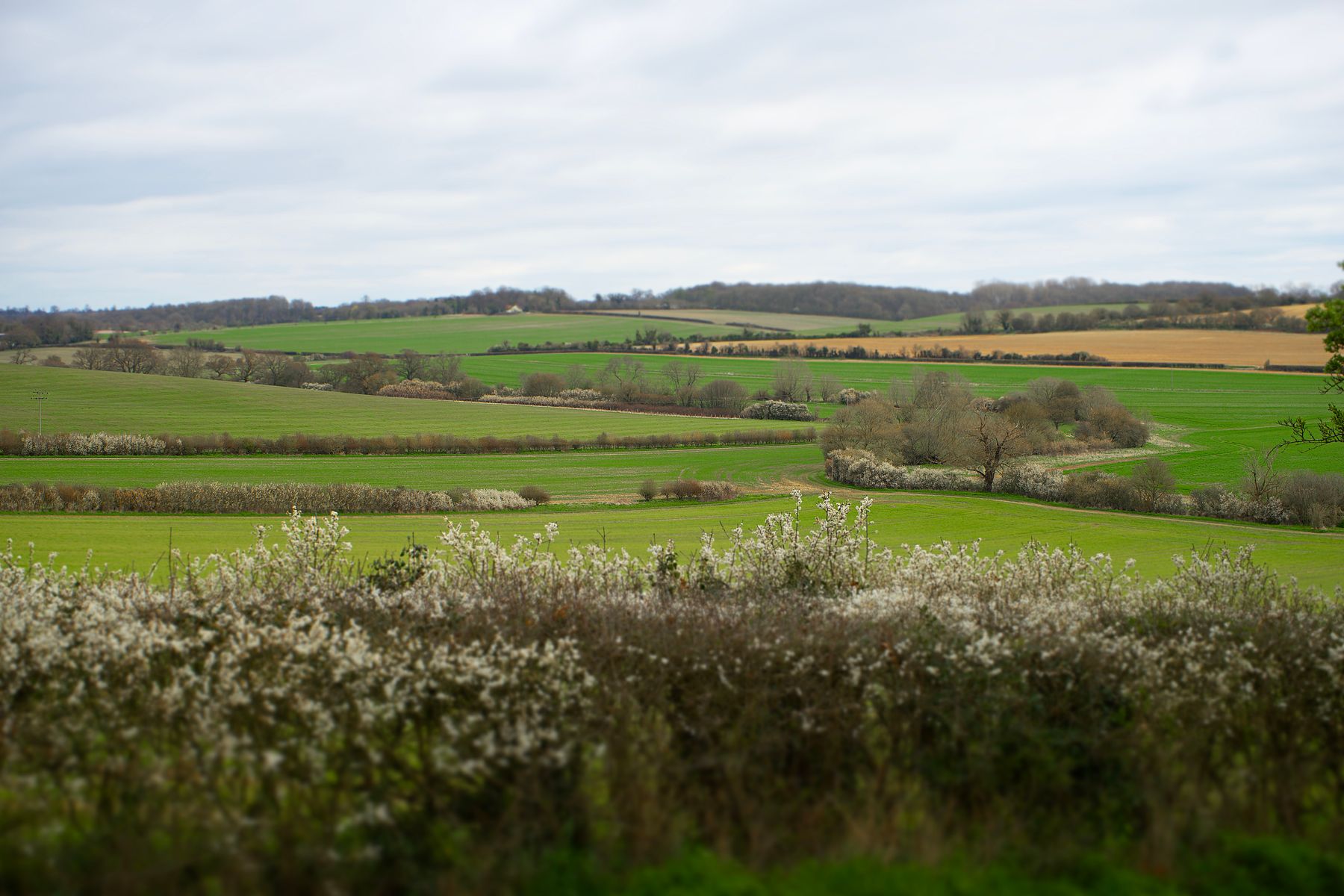
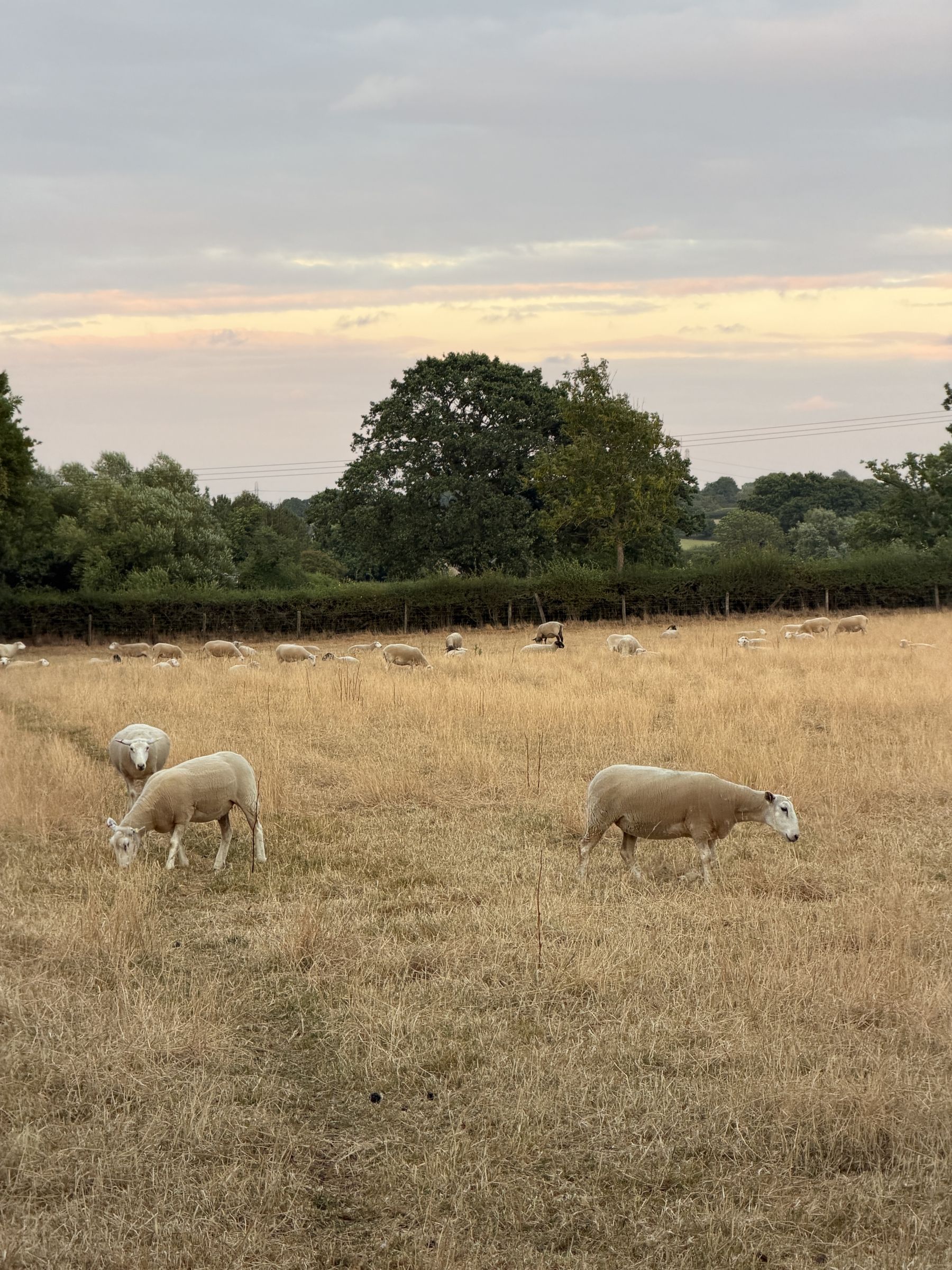
Healthier soil is not just a farming story. What happens in the ground reaches everyone downstream.
Less run-off means clearer, healthier rivers and streams for wildlife, anglers and everyone who lives alongside them.
Keeping nutrients and sediment out of the water at source protects the rivers and groundwater our drinking water is drawn from.
Soil that holds the rain slows the flow off the land, easing the flash flooding that hits homes and roads downstream.
Living soil brings earthworms, insects and the birds and mammals that feed on them back to the land, a real gain for nature.
The land keeps growing food. Farmers get healthier, more resilient soil and rely less on bought-in inputs.
Building soil stores carbon in the ground and makes farmland more resilient to drought and heavy rain.
Work already under way on British farmland: the treatment going on across the fields, and the life returning to the soil beneath the sward.
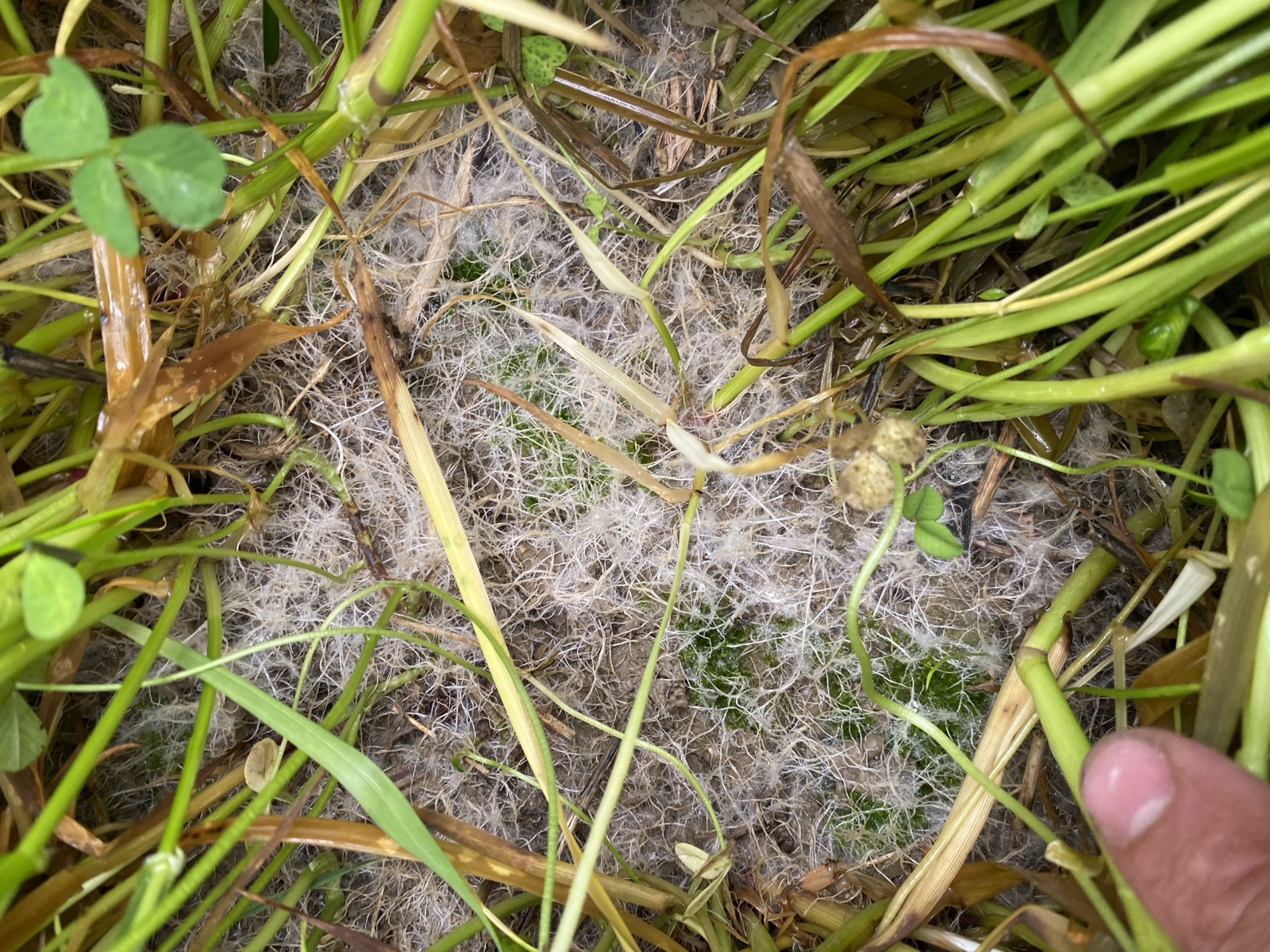
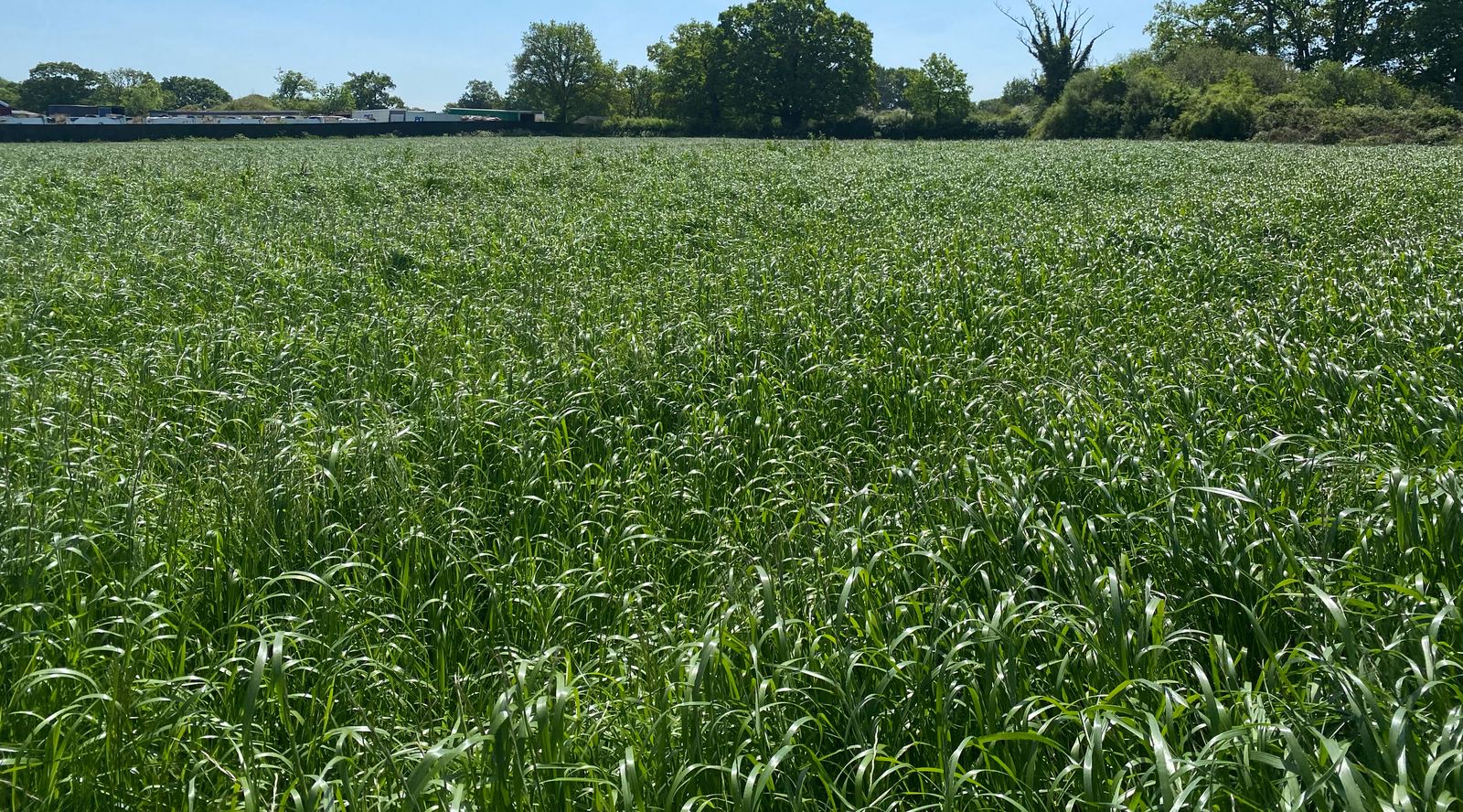
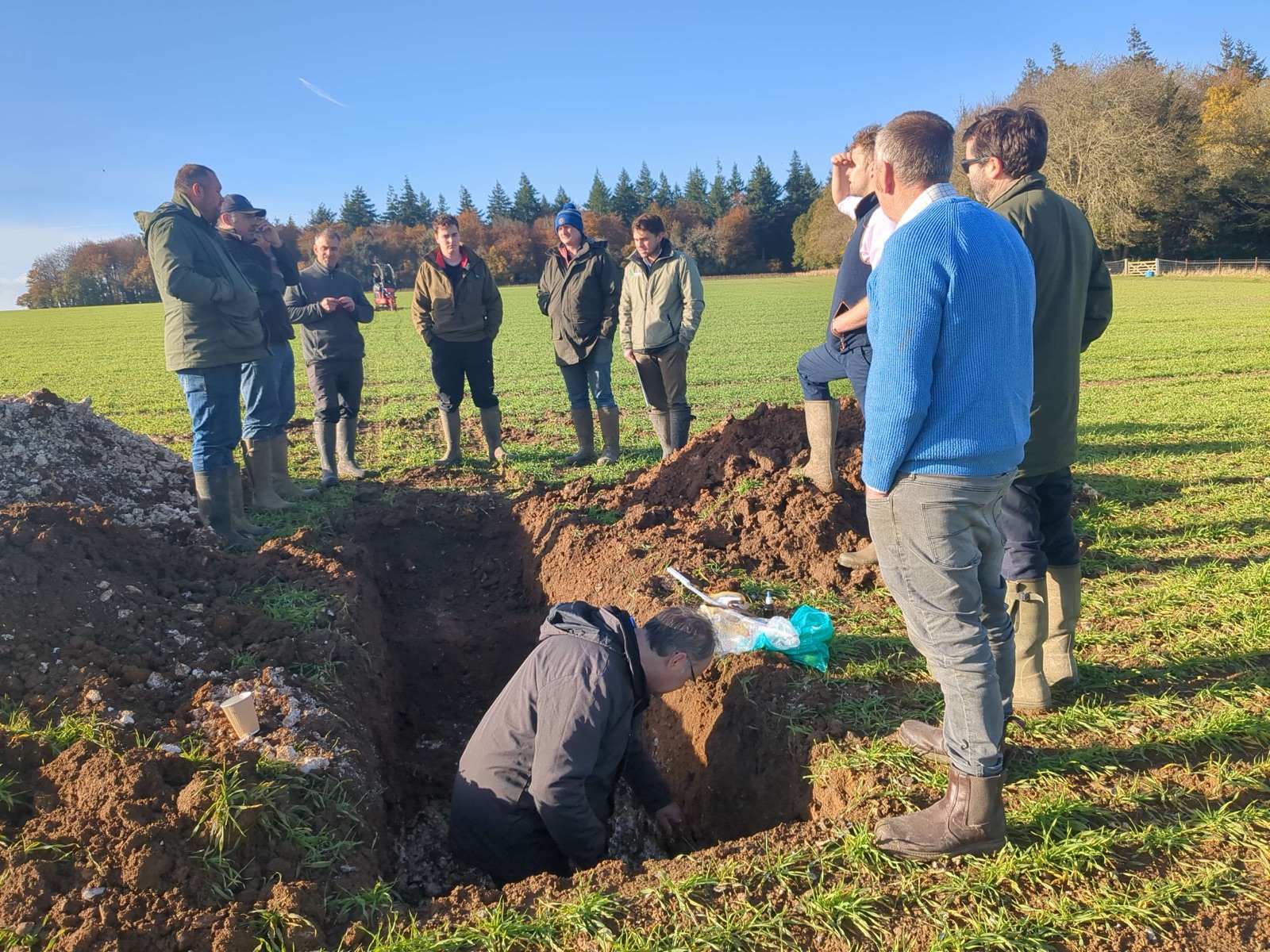
This is not a new idea being tried out on British farmland. It is an established approach with three decades of independent field validation in Europe, and the first UK evidence now recorded in the ground.
Our work is backed by an accepted UK Research and Innovation project. UKRI is the UK’s national funding body for research and innovation.
More than thirty years of field validation across over 320,000 hectares of European farmland.
Field validation with more than eight recognised research institutions in France, Germany and Spain, on a wide range of soils.
A UK field trial, with drain water sampled by Natural England’s Catchment Sensitive Farming and a county Wildlife Trust.
In a UK field trial sampled with Natural England and a Wildlife Trust, the treated fields showed drain water with little to no evidence of nutrient pollution, far more life in the soil, and organic matter above the national benchmark.
Source: a UK field trial, 2024 to 2025, with drain water sampled by Catchment Sensitive Farming and a county Wildlife Trust, and paired treated and untreated soil pits. The full trial record is available on request.
SOFIIN, the Soil First Initiative, is a community interest company: a nationwide effort to restore Britain’s farmland soils, working alongside farmers, communities, the water sector and national agencies. Its assets are locked to that purpose by law. The aim is simple: healthier soil, cleaner rivers, and a countryside that thrives.
Keep farmland in full production. Prove every result on the ground. And measure the difference where it matters, in the soil and in the water.
Whether you farm, manage land, protect water or simply care about your local river, we would like to hear from you.
EnquiriesUse the form, and we will come back to you.
PartnersA business or funder with a stake in a catchment? Become a partner.